Have you ever been in the middle of an argument with your partner and thought to yourself “they just don’t understand what I am saying.” No matter how hard you try, they just don’t seem to understand how important this is to you, and they become defensive and critical of you instead of hearing you. In fact, after years of preparing couples for marriage, it is the most common thought that couples say they have during conflict. So how do we get our partner to understand us?
Firstly to clarify, when I talk about conflict in this context, I mean differences in opinion, approaches, values or ways of doing things. I certainly do not mean physical, emotional, financial, social or psychological abuse as a form of power and control and relationship violence. If this is the type of conflict you are experiencing, then this advice is not for you. Please seek help.
Couple conflict is a natural part of being in a relationship. Dr John Gottman describes conflict as the “predator in the eco system”, a natural and important part of keeping a relationship healthy and vibrant. In the same way that a predator keeps things in balance, relationship conflict shows a commitment to the health and wellbeing of that relationship. It shows that if you are willing to thrash out differences and sort out your approaches to situations, then you are demonstrating a real willingness to put in the hard yards of essential relationship work. Without it, you become two individuals with no emotional connection.
Just because conflict is a natural part of being in relationship, doesn’t make it easy. There is a real fear from each person that any conflict signals a tangible threat to the stability of the relationship. This fear stems from the understood reality that not every relationship is successful in the long run, and so each conflict has the potential to be the BIG one that disrupts their own. Fear can be paralysing, but it can also cause a huge amount of miscommunication, as each individual battles their fear by mounting arguments they believe will convince the other of their “right-ness”. And here is where the misunderstanding stems from.

Imagine two boxers in a boxing ring. Each one wants to land the fatal blow that knocks the other out. Each one wants to be the victor at the end, with their hand raised in the air as the winner. Neither of them wants to be the loser.
Many couples approach conflict in the same way. “If I say this, then they will see my way and back down”, “They aren’t understanding me, so I have to say it again and again”, and “Why aren’t they listening?” The problem with this approach is that both individuals are trying to win, and neither one wants to back down – backing down is seen as weakness, giving in, or being controlled. And so the conflict escalates until the “knock out” event, which could be an insult, a dismissive comment or storming out of the room. Treating relationship conflict like the boxing ring is deeply unsatisfying and unhelpful to both parties. It can also be dangerous as tensions can escalate into violence.
Imagine instead two ballroom dancers. They know each other. They have trained for years, honing their communication, their trust and their dance skills together.
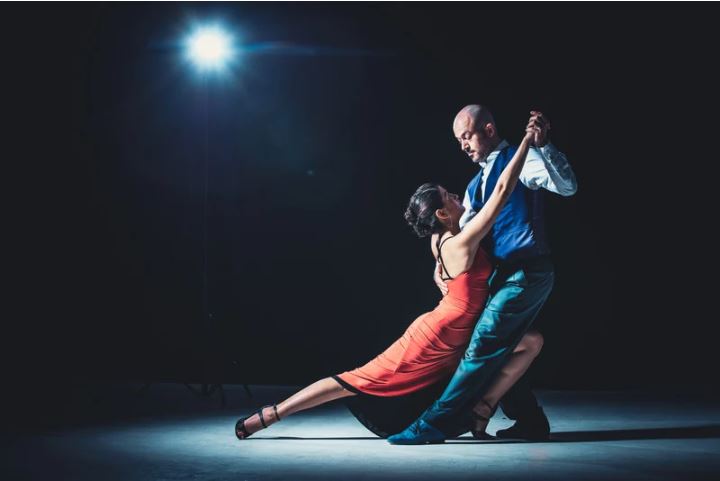
They haven’t always been perfect – sometimes she trod on his foot, and other times he made the wrong signal causing her to fall. But they were able to communicate and perfect their moves. When the grand final came, they came on to the dance floor together, performed their dance, and left together, smiling and content. Imagine if we considered our conflict like a dance. It takes practice, time and support. Ballroom dancing comes with a tradition of dance skills that are known to work, and so does relationship conflict management. These skills require learning and practice. In the beginning, you may not be perfect, but you practice together until you get it right. And importantly, you feel respected, held, and cared for as you both hone your skills ready for the grand final – a big conflict that could have otherwise destabilised your relationship.
So back to the original question. How do we get our partner to understand us? I would argue it’s the wrong question to ask when we are in conflict with our partner. The real question is “How do I better understand my partner?” For the boxers, it’s about “me”, but for the dancers, it’s about “we”. And if both of you are committed to the “we” then not only will you both feel understood, but your conflict will be like a magnificent dance in which others stand in awe.
Baby communication connection divorce Family Family Planning finances love Marriage money relationship Relationships sex sexual intimacy women
 Marriage & Relationship Education CatholicCare